Home Maintenance Tips Archives - Dotty Brothers Construction

Nestled among pines and shimmering waters, lakeside homes in Minnesota exude a refined, serene luxury. Think soaring vaulted ceilings, pristine stone hearths, and expansive walled glass framing breathtaking views—backdropped by the soft crackle of your fireplace.

If your residence reflects the craftsmanship of builders like Dotty Brothers, preserving both elegance and safety through meticulous fireplace and chimney care is essential.

Fireplaces and chimneys in Minnesota lake homes have unique maintenance needs. The high humidity and lakeshore breezes can accelerate wear and corrosion, especially on exposed masonry and metal caps. Minnesota’s freeze-thaw cycles aren’t kind to chimney masonry, either. Even well-constructed chimneys can deteriorate under repeated exposure to rain, snow, and ice, leading to crumbling mortar, cracks, and compromised safety.

Regular maintenance isn’t just wise; it's a cornerstone of preserving beauty and functionality.

What Happens During a Professional Chimney Cleaning

For luxury lake homes, a professional chimney sweep is less about soot and ladders and more about preserving the integrity of your investment. A certified sweep will typically perform the following:

  1. Protect Your Home’s Interiors: Before any work begins, technicians lay down protective coverings near the fireplace, ensuring rugs, hardwoods, or stone floors remain spotless. In high-end lakeside homes with open layouts, this step is essential to keep fine finishes pristine.
  2. Creosote & Soot Removal: Using specialized brushes and high-powered vacuums, the sweep removes the layers of creosote (a highly flammable byproduct of burning wood) and soot from the flue walls. Even thin layers can restrict airflow and increase fire risk, so precision here matters.
  3. Firebox & Damper Cleaning: The firebox (where the logs sit) is cleared of ash buildup, and the damper is inspected and cleaned to ensure it opens and closes smoothly. A stuck damper not only disrupts the fire’s draft but can also allow cold air to seep into your home.
  4. Smoke Chamber & Flue Brushing: Creosote tends to accumulate in the smoke chamber—the sloped area above the firebox. This section is carefully brushed and vacuumed, followed by the full length of the chimney flue. In tall great rooms often found in lakeside homes, this flue can be especially long and intricate.
  5. Chimney Cap & Crown Check: The technician inspects the exterior chimney cap, crown, and flashing. These components keep out rain, snow, animals, and debris—all of which are common along Minnesota lakeshores. Small cracks or gaps can lead to costly water damage if ignored.
  6. Masonry & Structural Inspection: Finally, they’ll check for signs of spalling brick, crumbling mortar, or hidden cracks caused by Minnesota’s freeze-thaw cycles. In luxury builds with custom stonework, early detection protects not only safety but also the architectural beauty of the home.


How Often and Who to Hire

Fireplace and chimney experts universally suggest annual professional cleaning, per the National Fire Protection Association (NFPA). If your home sees frequent use—including multiple seasonal fires—a twice-yearly sweep is even more prudent. The best times to conduct cleanings are fall (just before the cozy season begins) or spring (once the winter chill recedes).

Not all chimney sweeping companies are created equal. Look for CSIA-certified professionals who bring both rigor and recognition. You can find professionals in your area on the Chimney Safety Institute of America website.


Elevate Your Retreat with Peace of Mind

For inspired lakeside sanctuaries brought to life by Dotty Brothers, flawless finishes meet timeless craftsmanship. Ensuring your fireplace stays a beacon of warmth—and not a hazard—means respecting both form and function.

By embracing seasonal care, investing in top-tier professionals, and tackling minor repairs swiftly, your fireside moments stay magical—and safe—for years to come.

A month-by-month maintenance roadmap you can download and keep handy

At Dotty Brothers, every home we craft is designed to stand strong for generations with minimal effort from you. But even the most thoughtfully engineered spaces deserve a little TLC. Think of these touch-ups as quick, inexpensive habits that protect resale value, indoor air quality, and that fresh-built feeling you fell in love with on move-in day.

Below you’ll find an expanded walkthrough of our Caring for Your Home checklist. Feel free to download the full printable PDF, tack it on the fridge, and check items off as you go.

Why a Monthly Checklist Matters

  1. Season-specific focus – Tackling tasks just before weather shifts (such as blowing out sprinkler lines in fall) prevents damage and saves energy.
  2. Bite-size commitments – Breaking upkeep into 10- to 30-minute jobs keeps weekends free for lake time instead of marathon clean-ups.
  3. Peace of mind – Regular micro-inspections catch issues—like a tired sump-pump or loose garage-door spring—long before they become emergencies.

Your Month-by-Month Game Plan

January – Deep-Clean & Detect

February – Bed & Bath

March – Spring Cleaning Essentials

April – Out with the Cold

May – Summer Prep

June – Garage Door & Driveway TLC

July – Irrigation & Exterior Plumbing

August – Efficiency Boost

September – Fall Readiness

October – Seal & Soothe

November – Winter Readiness

December – Kit It

Download the Full Checklist

Ready to start checking boxes? Click here to download the PDF guide and keep it on hand all year long. Print it, laminate it, and use a dry-erase marker to turn it into a reusable tracker—or share it with new homeowners in your circle!

For Decades to Come

A well-cared-for home doesn’t just look better; it lives better. From cleaner indoor air to lower utility bills, these quick monthly habits extend the life of every surface and system—so your Dotty Brothers home can keep hosting family milestones for decades to come.

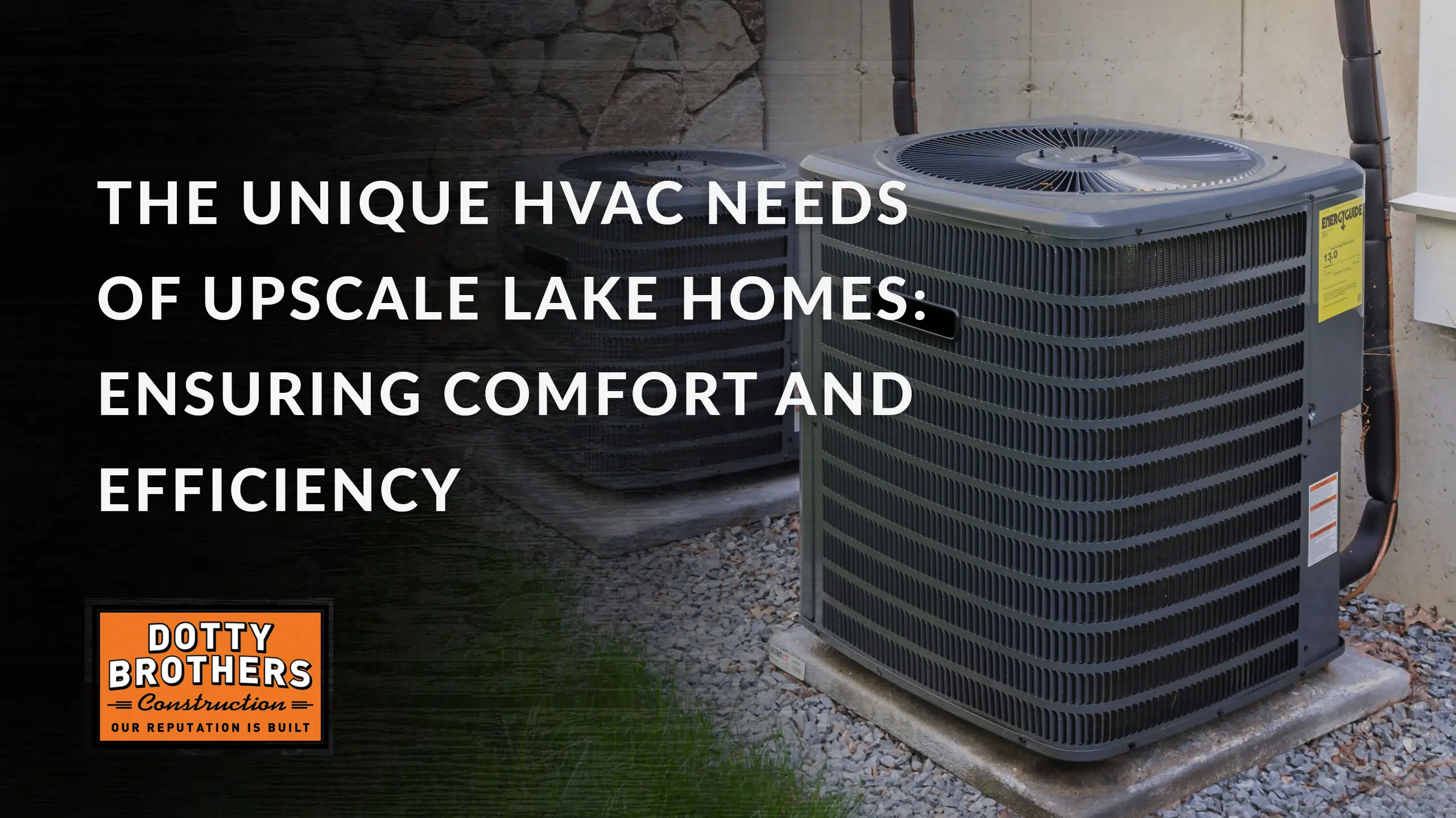
Upscale lake homes offer a luxurious retreat, blending stunning natural surroundings with high-end amenities. However, maintaining a comfortable indoor climate in these properties presents unique challenges due to their proximity to water, large open spaces, custom architectural features and, of course, the weather

A well-maintained HVAC system is essential to preserving indoor air quality, preventing humidity issues, and ensuring energy efficiency. Here’s what homeowners should consider for optimal HVAC maintenance in their lakeside homes.

1. Humidity Control and Air Quality

Lakeside homes are more susceptible to excess moisture, which can lead to mold growth, musty odors, and damage to wooden interiors. Installing whole-home dehumidifiers and integrating them with your HVAC system helps maintain optimal humidity levels year-round. Regularly changing air filters and using air purification systems can further enhance indoor air quality, keeping the environment fresh and healthy.

2. Zoning Systems for Large, Open Spaces

Many luxury lake homes feature expansive open floor plans and large windows to capture breathtaking views. While aesthetically pleasing, these designs can create temperature inconsistencies. A zoning HVAC system allows different areas of the home to be heated or cooled independently, ensuring comfort while optimizing energy use. Smart thermostats further enhance efficiency by allowing homeowners to control temperatures remotely.

3. Seasonal Maintenance for Year-Round Comfort

Since lake homes often experience fluctuating seasonal temperatures, regular HVAC maintenance is crucial. Scheduling professional tune-ups before summer and winter ensures the system runs efficiently when needed most. This includes inspecting ductwork for leaks, cleaning evaporator and condenser coils, and checking refrigerant levels.

4. Corrosion Prevention for Lakeside Environments

The humid lakeside air can accelerate the corrosion of HVAC components, particularly outdoor condenser units. Applying anti-corrosion coatings and choosing HVAC systems with corrosion-resistant materials can extend equipment lifespan. Additionally, covering outdoor units during extreme weather conditions can provide added protection.

5. Geothermal and High-Efficiency HVAC Solutions

Many upscale homeowners are turning to energy-efficient HVAC options like geothermal systems, which use the stable underground temperature to heat and cool the home. These systems provide exceptional efficiency while reducing energy costs and environmental impact. High-efficiency heat pumps and variable-speed air handlers also offer excellent performance tailored to lakefront living.

6. Backup Heating and Cooling Solutions

Due to their sometimes remote locations, lake homes may experience power outages or extreme weather conditions. Investing in backup generators or dual-fuel HVAC systems ensures uninterrupted comfort during emergencies. Additionally, radiant floor heating and fireplaces can provide supplementary warmth in winter months.

Final Thoughts

A well-maintained HVAC system enhances the luxury and livability of lake homes, ensuring optimal comfort and efficiency in all seasons. Partnering with an experienced HVAC professional who understands the specific needs of lakeside properties can help homeowners maximize performance and longevity. By implementing the right strategies, you can enjoy year-round comfort while protecting your investment in your lakefront retreat.

It’s a brand-new home, so there’s no way it can have pests in it, right? After all, there hasn’t been time for the foundation to shift (as they all do, over time) and make the pencil-thin cracks that are enough for a mouse to creep into the inviting warmth of a heated space. Furthermore, the sheeting, weatherproofing, and crack and gap sealing on the walls and roof make them practically a perfect, impenetrable fortress, right?

In many ways, yes! But also, not quite. There are lots of ways that pests can pose a problem, even in new construction.

Destruction of Habitat

Okay, that’s phrased with a bit of hyperbole. But think about the lot your new construction was built on. Most of our clients build custom dream homes in the Brainerd Lakes area. It’s easy to see why: the appeal of the lakes, the woods, the outdoors in general—that’s what makes it cabin country!

There’s a good chance your lovely, wooded lakeshore lot had to have some trees removed, possibly some leveling done, and at the very least a decent excavation for the foundation/basement. Even if your home was able to nestle perfectly within the existing landscape and foliage of the lot, a construction project itself is quite disruptive to the lot. It’s a lot of equipment, people, and materials coming onto the lot and being moved around every day.

For anything that was living there before construction started, well, they must find somewhere else to go. That’s not to say we need a land acknowledgment for bugs, but any displaced ants or mice or spiders or any other critters have to go somewhere.

Steady Supply of Shelter and Food

No house is constructed in a vacuum. Building materials are dropped off on site, where they sit until they are needed. That means that while the foundation is being excavated or poured, the lumber for the walls and roof could be stacked off to the side of the lot, offering an enticing shelter to birds, rodents, or bugs. Most of those will be displaced again when the material is used in construction, but they might not all be.

Keep in mind, too, that before a place is a dream home, it’s a workplace for people, and those people must eat. The scraps of an electrician’s lunch can provide a feast for these pests, so they’re naturally attracted to them.

And while job sites are their own bustling hive of activity during the day, at quitting time everybody goes home, and the lot and house are left on their own. That leaves plenty of opportunity for pests—especially those that are nocturnal anyway—to start making your home their home.

Sneaking In

Then there are bugs that can slide in undetected. It’s certainly not common, but it can happen. Many bugs lay their eggs inside trees. Those trees are felled and milled for lumber. In this process, they are dried, so they don’t change shape when used for construction. However, if lumber is incompletely dried, some of those larvae might still be alive. Eventually, they hatch and emerge from the wood.

Another method for sneak invasion is through exotic woods. These are typically expensive and used for trim, cabinets, or furniture. But they can have the same thing happen to them as regular building lumber. That brings in species not native to the area, or even foreign to the country. Local pest control companies usually don’t have much experience with bugs that they never see in their area, so it’s easy for them to mis-identify the bug and apply treatment for the wrong creature.

Prevention…

Sounds like you’re doomed to a house crawling with (literally) invasive species, right? Not at all! Most of these scenarios are merely possible, not likely. Furthermore, it’s now time to dust off the old saying: an ounce of prevention is worth a pound of cure. If you’re building your dream home on a wooded lakefront lot in Minnesota, you know that bugs, birds, and critters will be part of your living area. Nature and the creatures that come with it are a huge appeal of this environment, after all. But there are some steps you (and we) can take that can help prevent pests from ruining your enjoyment of your new home.

We’ve been building dream homes in this neck of the woods since 1994, so we know a little bit about constructing lifetime homes that are people- and pet-friendly, but pest-free. We know what building materials work, and what are more likely to cause a problem. There are also building materials available that come pre-treated against pests, as well as building materials that are inhospitable to pests (such as concrete, stone, brick, metals, and composite materials). These can all be used in a way that helps prevent pests but still look just as incredible as you want your dream home to look.

Another good tactic is to hire a pest control company and have them inspect the lot before any construction begins. They’ll be able to identify and treat potential problem areas before they become a problem. Having them come by the site periodically during construction can also help prevent pests from setting up shop while your home is going up. They can pre-treat the basement or foundation/crawlspace before anything is built on top of or inside it. They can pre-treat the wood after your home has been framed. This kind of prevention can really pay off.

…And Cure

With smart choices in design and building materials, and smart pest prevention and maintenance, your dream home can be there for you and your family and friends—and only you and your family and friends—to enjoy for years to come. The only creatures welcome are the ones you invite in yourself.

Contact Us

Dotty Brothers Construction can help you keep your new home pest-free. The only thing you have to do is enjoy it. Contact us to get started on your (bug and pest-free) dream home.

Connect on Social Media

Give us a Review

Google reviews

Sign-up for our newsletter for home build tips

Newsletter Submission - CTA

Location

Our Memberships

National Association of Homebuilders LogoNAHB 20 Club logoMid-Minnesota Builders Association logoBuilders Association of Minnesota badge
chevron-down